AI and data-center growth is increasing demand for electricity and, at some facilities, freshwater for cooling. Communities deserve clear information about water demand before major projects are approved.
How much water will a proposed facility use? Where will it come from? What happens during drought? What conservation or recycled-water options are available?
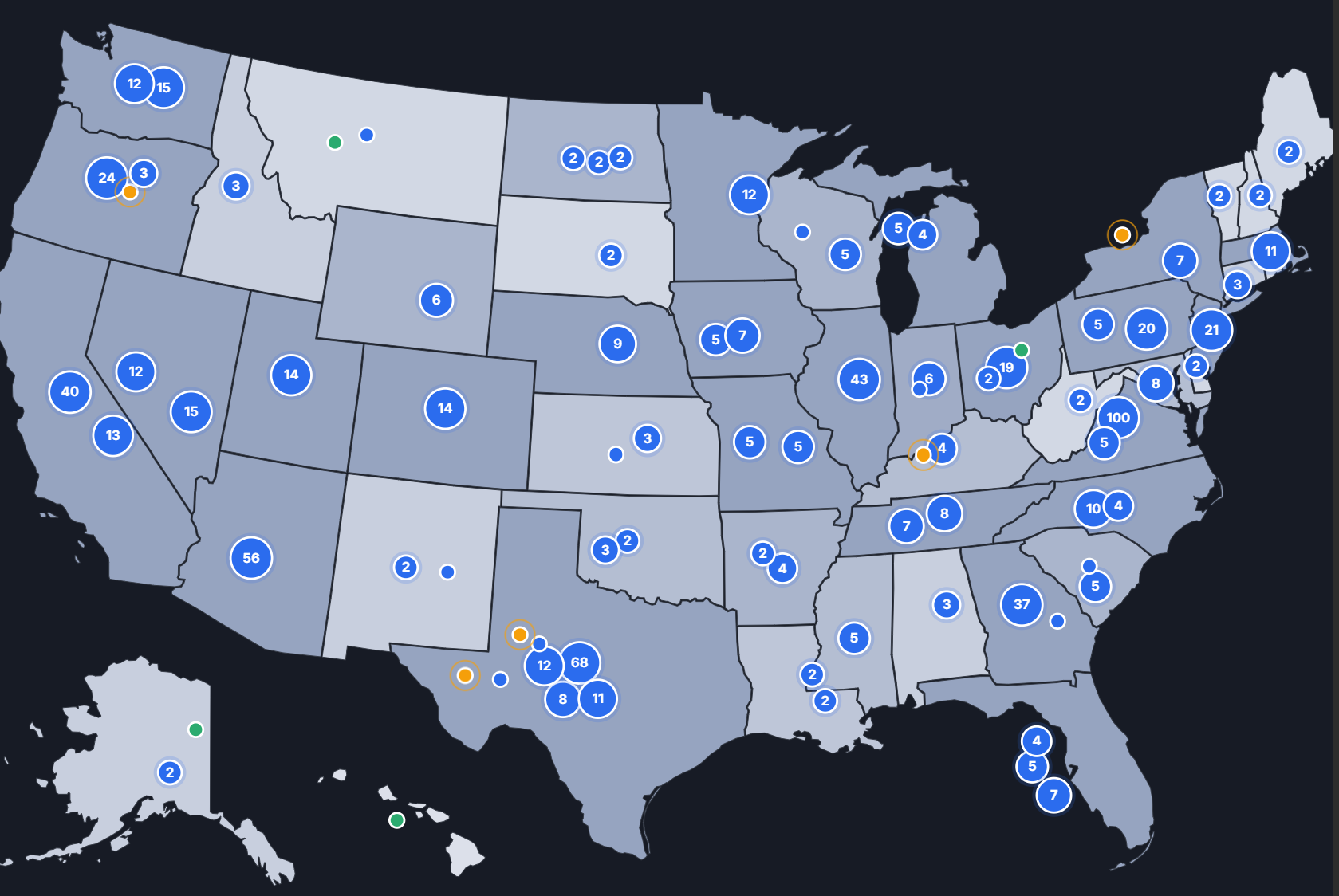
These are simple state links. Each opens its own separate page with state-specific facts, a state “By the Numbers” section, community photo sharing, and sources.
of the world’s population experienced severe water scarcity for at least part of the year as of 2022.
UNESCO / UN-Waterof U.S. electricity was estimated to be used by data centers in 2023.
DOE / Lawrence Berkeley National Laboratoryof U.S. electricity could be used by data centers by 2028 under LBNL projections.
Lawrence Berkeley National Laboratory, 2024 reportgallons per day is a published estimate of total U.S. data-center water consumption.
Lawrence Berkeley National Laboratory water-efficiency resourceWater use varies widely by facility, location, climate and cooling design. Some facilities consume water directly through cooling, while electricity generation can create an additional indirect water footprint.
How much? Annual and peak-day water demand.
From where? Drinking-water system, groundwater, surface water or recycled water.
During drought? What gets reduced first and what protections exist?
Read primary sources and distinguish verified facts from projections.
Ask local leaders and developers for transparent water-use information.
Attend public meetings, submit comments and share what you are seeing locally.
Flyers can help people find the site, learn the basics and start asking questions.
Share a public comment, local observation or concern. Submissions are reviewed before being posted publicly.
LEAVE A PUBLIC COMMENTHave a question, tip or concern that you do not want posted publicly? Send it privately instead.
CONTACT ME PRIVATELYMy name is Ronni Stout, and I started Save Our Fresh Water because I believe clean, fresh water should be protected for our families, our communities, and future generations.
I’m not a scientist, politician, or large organization. I’m simply someone who started looking into the rapid growth of data centers and became concerned about how much water these facilities can use—especially in areas already facing drought, population growth, and pressure on local water supplies.
The more I learned, the more I felt that people deserved to know what is happening and have a voice in decisions that could affect their water for decades, including the water our children and future generations will depend on.
I created SaveOurFreshWater.com to bring information together, raise awareness, encourage public discussion, and help communities ask important questions before major water-consuming developments are approved.
This project is about protecting something every person depends on: fresh water.
The donation message is intentionally separate from “Who I Am.”